Platelet Rich Plasma (PRP)
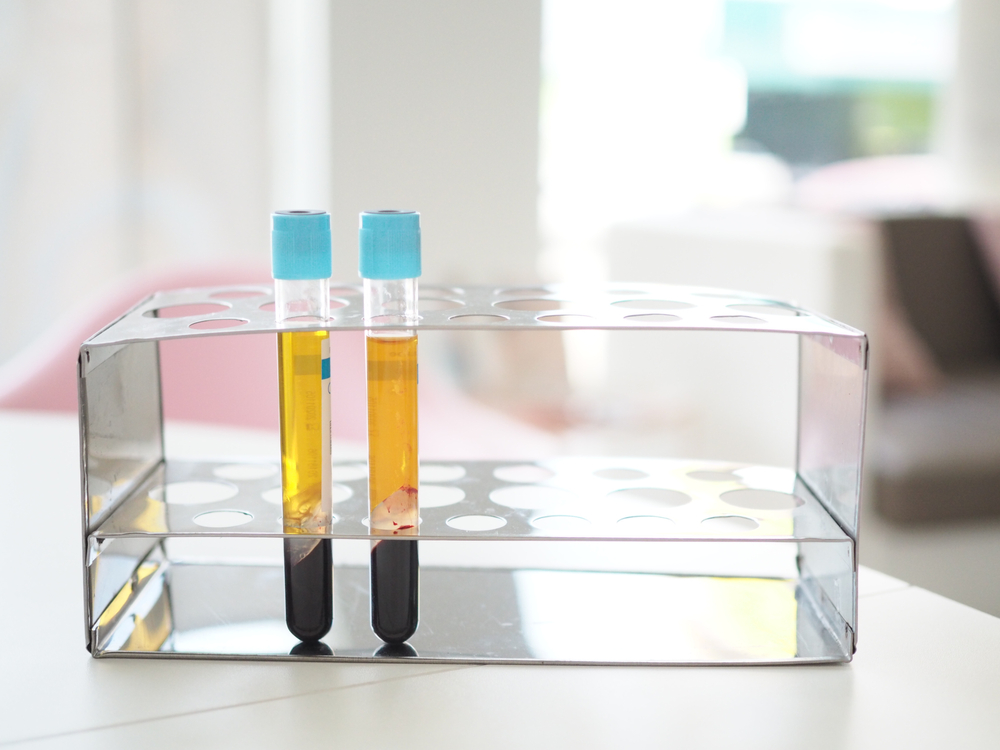
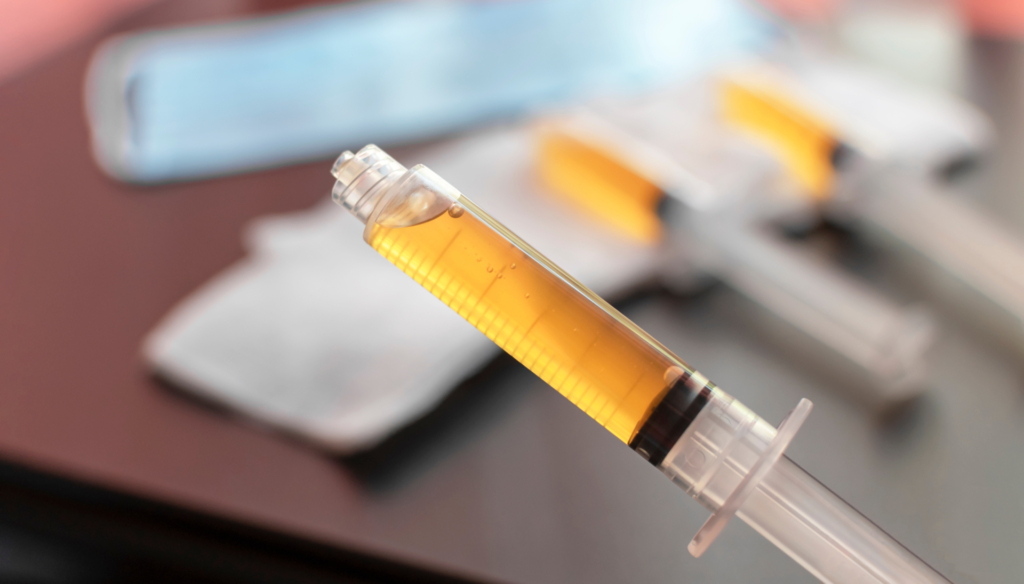
Platelet-Rich Plasma (PRP) therapy is a regenerative treatment that uses the body’s own biological resources to support tissue repair and recovery. PRP is derived from a small sample of your blood, which is processed to concentrate platelets — cells rich in growth factors and signaling proteins involved in healing.
Platelets are essential to the body’s natural repair process. When concentrated and delivered to a targeted area, they release growth factors that help stimulate collagen production, support tissue repair, and improve cellular signaling. PRP therapy works by strengthening the body’s own healing response at areas of injury or degeneration.
Commonly used in regenerative and integrative medicine, PRP can support joint health, musculoskeletal function, soft tissue recovery, and injury repair. Because it is created from your own blood, PRP is a biologically compatible treatment that works in harmony with your body’s natural restorative mechanisms.
At Ila Integrative Health, PRP is offered as a medically guided regenerative therapy — not to mask symptoms, but to support restoration at the tissue level.
Who PRP May Help
PRP therapy may be appropriate for individuals experiencing:
- Joint discomfort or stiffness
- Tendon or ligament strain
- Soft tissue injuries or trigger points
- Sports-related injuries
- Degenerative or overuse-related conditions
Treatment recommendations are individualized based on clinical evaluation, imaging when appropriate, and patient goals.
Benefits of PRP Therapy
- Supports Natural Tissue Regeneration
Concentrated platelets stimulate the body’s innate healing mechanisms, promoting collagen production and tissue repair at the cellular level. - Minimally Invasive Treatment Option
Administered through targeted injections, PRP offers a less invasive alternative to surgical intervention with minimal downtime. - May Help Reduce Pain & Improve Function
By addressing underlying tissue stress or damage, PRP therapy may support meaningful improvements in comfort, mobility, and overall function. - Uses Your Body’s Own Biological Resources
PRP is autologous — derived from your own blood — reducing the risk of adverse reactions while working in alignment with natural healing processes. - Supports Long-Term Recovery
Rather than masking symptoms, PRP focuses on promoting healing at the source to encourage sustained regenerative support.
Platelet Rich Plasma (PRP)
$325 per injection
Package of 3 – $880
*Recommend injection every 8 weeks
Areas We Commonly Treat
PRP therapy may be used to support regeneration and recovery in the following areas:
- Knees
- Shoulders
- Elbows
- Joints of the fingers and toes
- Trigger points
- Soft tissue injuries
Treatment plans are individualized based on clinical evaluation, functional assessment, and patient goals.
How to Prepare for PRP Therapy
To optimize your results, we may recommend:
- Avoiding anti-inflammatory medications (such as ibuprofen or naproxen) for 5–7 days prior to treatment, unless otherwise directed
- Staying well hydrated
- Eating a light meal before your appointment
- Discussing any supplements or medications with your provider
Because PRP works by stimulating your body’s natural inflammatory healing response, certain medications may reduce effectiveness.
What to Expect During Treatment
PRP therapy begins with a small blood draw. After processing the sample to concentrate platelets, the platelet-rich plasma is injected into the targeted area. The procedure typically takes 45–60 minutes, depending on the treatment site.
Mild pressure or discomfort at the injection site is normal.
After Treatment & Recovery
It is common to experience mild soreness, swelling, or stiffness for several days following treatment. This reflects activation of the body’s healing response.
You may be advised to:
- Avoid anti-inflammatory medications for a period of time
- Limit strenuous activity for several days
- Gradually return to movement as directed
Most patients begin noticing improvement within several weeks, with continued progress over 2–3 months as tissue remodeling occurs.
Some conditions may benefit from a series of treatments spaced several weeks apart.